


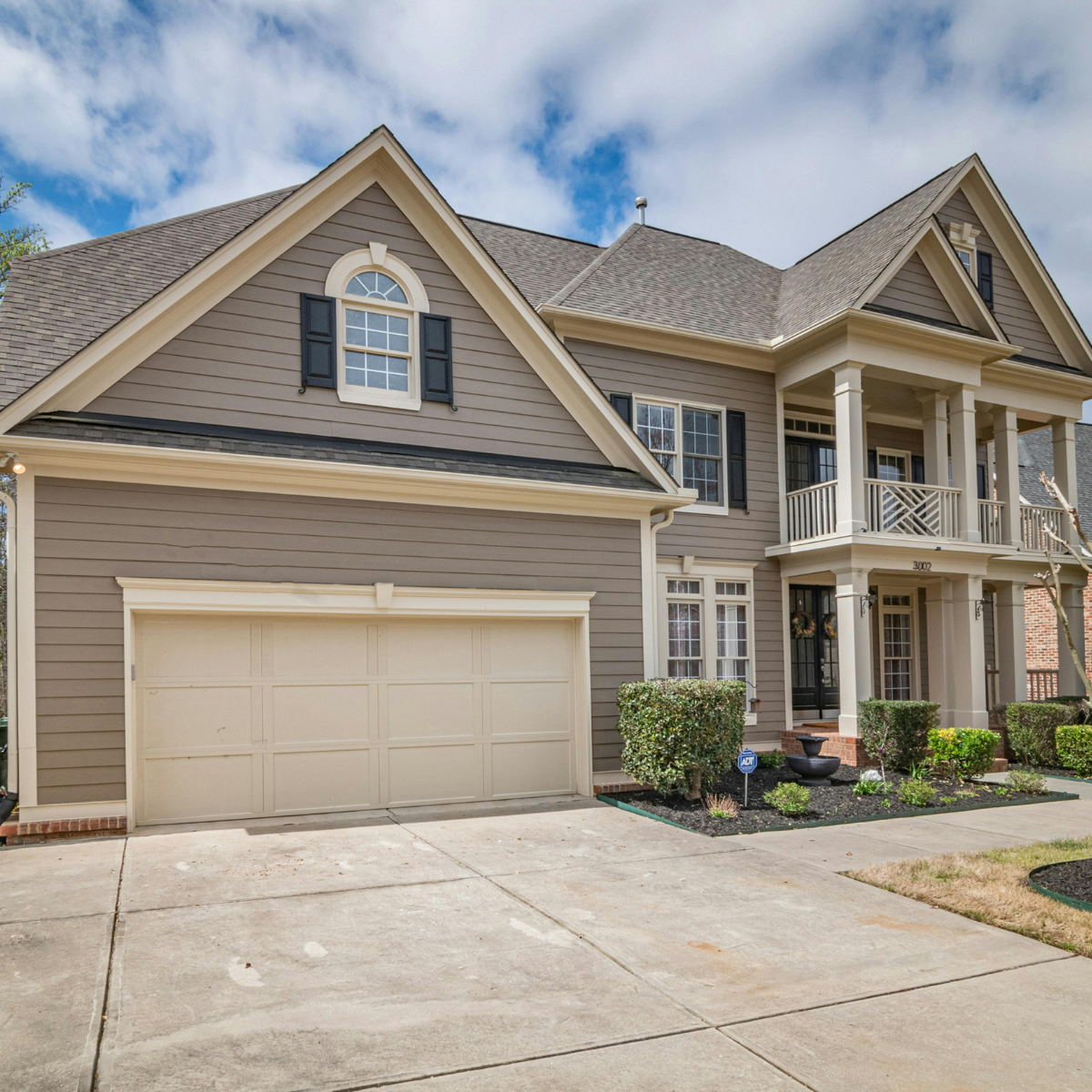

Siding isn’t just curb appeal. It’s a critical layer in your home’s protective “envelope,” managing rain, wind, heat, and humidity so your walls can stay dry, efficient, and durable for decades.
1) Weather protection: Your first defense against water, wind, and sun
Siding’s most important job is to keep bulk water (rain and wind-driven spray) from reaching the wall framing, sheathing, and insulation. Even small gaps can let moisture in—especially during storms—and once water gets into wall cavities it can lead to swelling, rot, corrosion of fasteners, and mold growth. In hot, humid, coastal areas like Corpus Christi, the combination of frequent humidity, salt air, and strong winds can accelerate wear and make careful material selection and installation details (like flashing and a water-resistive barrier) even more important.
Why it matters: When siding fails, the damage is often hidden at first. By the time you see bubbling paint, soft trim, or staining indoors, moisture may have been working behind the scenes for months.
2) Comfort and energy bills: How siding supports efficiency
Siding influences energy performance in two ways: (1) it helps reduce air leakage when it’s installed as part of a tight exterior wall system, and (2) some products add insulating value (such as insulated vinyl or insulated wall assemblies installed during re-siding). Less uncontrolled air movement means your HVAC system doesn’t have to fight constant heat gain in summer or heat loss in winter. If you’ve noticed rooms that are consistently warmer/colder, drafts along exterior walls, or rising utility bills without another obvious cause, your exterior wall system—including siding and the layers behind it—may be part of the story.
Homeowner tip: Many comfort complaints are really air-leak problems, not just “not enough insulation.” Siding is one layer that helps your wall assembly control that air movement when the full system is detailed correctly.
3) Structural durability: Protecting what you can’t see
Siding is not a stand-alone product—it’s the outermost skin of a layered wall. Behind it you’ll typically find sheathing (like plywood or OSB), a water-resistive barrier (WRB/housewrap), flashing at windows/doors and roof-to-wall intersections, and insulation inside the wall cavity. When these layers work together, they manage water, air, and vapor so the structure stays dry and stable. When they don’t, repeated wetting and slow drying can weaken wood-based materials, reduce insulation performance, and shorten the life of windows, trim, and fasteners.
4) The “home envelope” explained: Siding + WRB + flashing + drainage
It’s worth repeating: water will get behind siding. That’s why modern best practice relies on a dedicated drainage layer and properly integrated flashing—not just caulk—to direct water back out. A water-resistive barrier (WRB), commonly called housewrap, is installed over the sheathing to shed water and (depending on the product) help reduce air infiltration. Flashing details at windows, doors, and roof-to-wall connections guide water onto the WRB so it can drain. Many high-performance assemblies also include a small drainage and ventilation gap (often called a rainscreen) behind the cladding so the wall can dry more quickly after rain.
5) Curb appeal (and resale): The exterior that sells the house
Siding is one of the largest visual surfaces on your home, so it strongly shapes first impressions. Color, profile (lap, shingle, board-and-batten), trim details, and how cleanly the material is installed all influence curb appeal. But appearance is also a signal: peeling paint, warped boards, and patchy repairs can suggest hidden moisture or deferred maintenance to buyers and appraisers. A well-chosen, well-installed siding update can modernize the look of the home while quietly improving durability and efficiency.
6) Maintenance reality: What you’ll spend time (and money) on
Different siding materials age differently. Vinyl is generally low-maintenance (periodic washing and inspection), while wood tends to require regular painting or staining and vigilant monitoring for rot and insects. Fiber cement often offers a durable, paintable surface with strong resistance to rot and pests, but it still benefits from routine caulk/paint maintenance and careful handling of cut edges and penetrations. No matter the material, the best “maintenance plan” is simple: keep water moving away from the walls (gutters, downspouts, grading), keep vegetation off the siding, and fix small failures before they become wall-cavity problems.
7) Long-term value: What siding protects (beyond looks)
Updated siding can improve perceived quality, reduce buyer concerns about moisture damage, and lower the “future to-do list” a buyer mentally assigns to a home. Beyond aesthetics, buyers often respond to tangible upgrades: lower utility bills, fewer recurring paint cycles, and confidence that windows and wall assemblies are protected. If you plan to stay in the home, the value is also practical: fewer repairs, more consistent comfort, and reduced risk of expensive structural remediation.
Homes with updated, energy‑efficient siding are more appealing to buyers. Improved insulation, reduced maintenance, and a fresh exterior can significantly raise your home’s market value. kelemerbrothers.com
8) Special considerations for coastal and humid climates
In coastal areas, siding systems need to handle three extra stressors: salt, wind, and persistent moisture. Salt-laden air can accelerate corrosion of fasteners and metal accessories; wind-driven rain can push water into joints and penetrations; and high humidity can slow drying—especially on shaded walls. Practical upgrades to discuss with your contractor include corrosion-resistant fasteners, robust flashing details, a continuous WRB, and (when appropriate) a ventilated drainage gap behind the siding so the wall can dry after storms.
9) Choosing a material: A homeowner’s quick comparison
No single siding is “best” for every home. The right choice depends on budget, desired appearance, local climate stress (sun, storms, salt air), and how much maintenance you’re willing to take on. Below is a practical, plain-language comparison of common options homeowners consider.
Quick comparison table: common siding options
| Material | Why homeowners like it | Watch-outs | Best fit for… |
| Vinyl | Budget-friendly, low routine maintenance, many styles/colors. | Can crack/warp with temperature extremes; seams and install quality matter; color can fade over time. | Homeowners prioritizing cost and low upkeep. |
| Fiber cement | Very durable; resistant to rot and many pests; can mimic wood; holds paint well. | Heavier and typically more labor-intensive to install; cut edges and penetrations must be detailed correctly. | Homeowners seeking a strong balance of durability and appearance. |
| Wood | Natural look; easy to customize with paint/stain; classic architectural character. | Highest maintenance; vulnerable to rot/insects if water management is poor; more frequent refinishing. | Homeowners who want traditional aesthetics and don’t mind upkeep. |
| Engineered wood/composites | Wood-like appearance with improved dimensional stability; often lighter than fiber cement. | Still needs careful moisture detailing; may require periodic repainting/finishing depending on product. | Homeowners who want a wood look with moderated maintenance. |
10) Warning signs your siding (or the layers behind it) need attention
- Cracks, warping, loose panels, or boards pulling away (openings invite wind-driven rain).
- Bubbling, blistering, or peeling finishes—often a moisture signal, not just a paint problem.
- Soft spots in trim or siding, or recurring rot at corners and around windows/doors.
- Mold/mildew growth that returns quickly after cleaning—can indicate slow drying or trapped moisture.
- Interior clues near exterior walls: staining, peeling paint, or musty odors.
- Rising heating/cooling bills or new drafts that suggest air leakage and reduced wall performance.
What to do next: Start by checking the easy water sources—gutters, downspouts, and roof-to-wall intersections—then look closely around windows, doors, and any penetrations (hose bibs, vents, light fixtures). If multiple signs appear on the same wall (especially softness or interior staining), consider having a qualified siding contractor or building envelope professional evaluate the wall assembly before you commit to cosmetic fixes.
11) A simple annual siding checklist (15–30 minutes)
- Walk the perimeter and note cracks, gaps, loose pieces, or missing caulk at trim joints.
- Check high-risk areas: below rooflines, near decks/steps, and where sprinklers hit the wall.
- Look for drainage issues: overflowing gutters, short downspouts, soil sloping toward the house.
- Keep clearance: trim shrubs back and maintain ground-to-siding clearance to reduce splashback and moisture wicking.
- Wash gently when needed (follow the manufacturer’s guidance; avoid forcing water behind the siding).
- After storms, re-check corners, soffit transitions, and any pieces that could have loosened in wind.
Bottom line
Good siding is less about a trendy color and more about performance: keeping water out, letting walls dry, and supporting comfort and efficiency. If you treat siding as part of a complete system—WRB, flashing, drainage, and quality installation—you’ll protect your home’s structure, reduce surprise repairs, and keep curb appeal strong for years.



Leave a Reply