


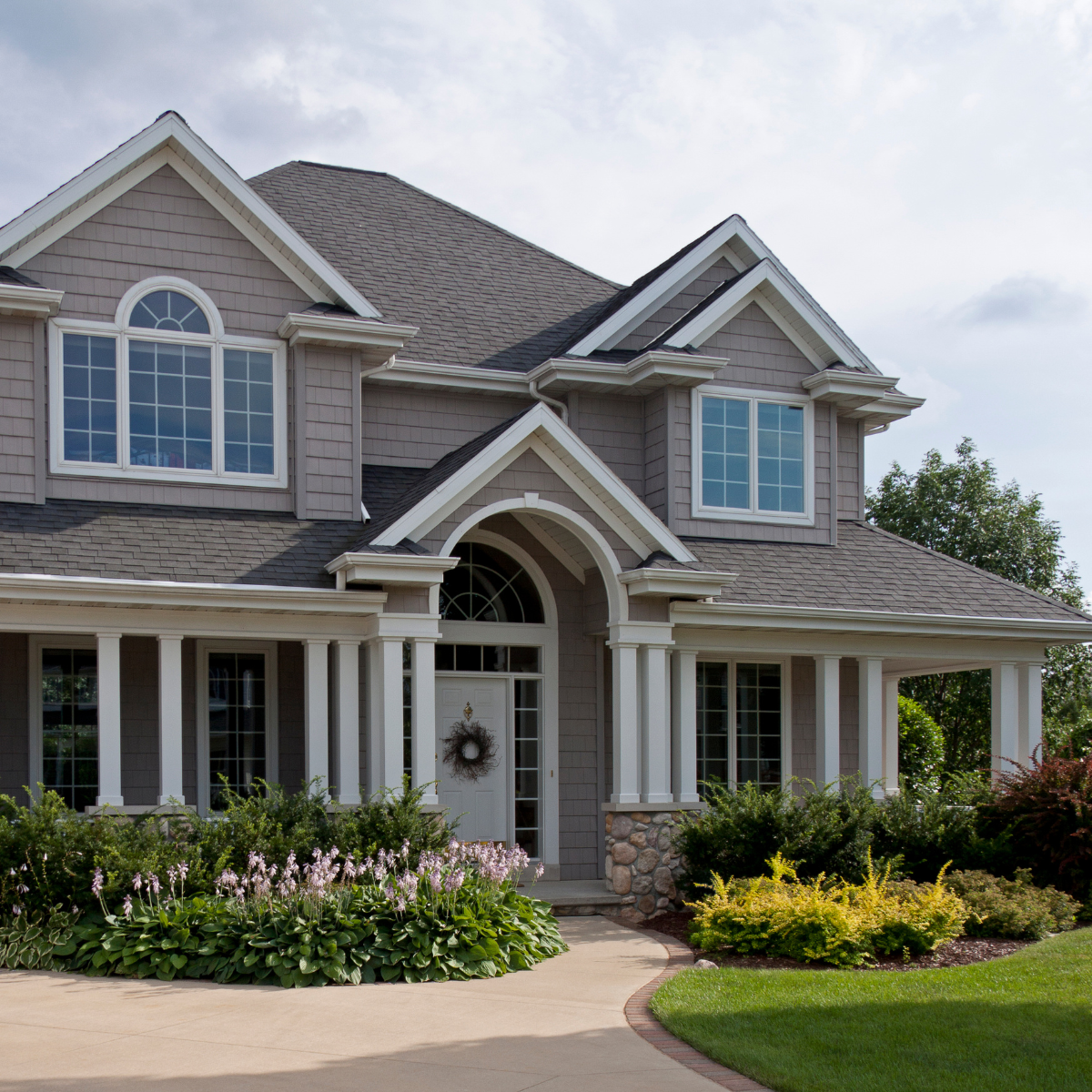

For homeowners living along the Gulf Coast, a roof is far more than a finishing touch—it is the first line of defense against hurricane-force winds, wind-driven rain, harsh humidity, salt-heavy air, and sudden seasonal storms. From Corpus Christi to the wider Texas coastline, roofing decisions increasingly affect not only storm protection, but also insurance eligibility, maintenance costs, resale appeal, and long-term property value. As weather patterns become more intense and building expectations continue to evolve, homeowners are paying closer attention to the materials, installation methods, and inspection standards that can make the difference between a roof that holds and one that fails when it matters most.
Built for the Coast: Why Roofing Standards Matter More Than Ever
Across the Texas Gulf Coast, homeowners are increasingly focused on high-wind-rated roofing systems, especially in communities that face repeated tropical threats. In designated coastal areas, properties often must meet specific building standards to qualify for windstorm coverage, and the Texas Department of Insurance requires compliance documentation for many projects through its windstorm inspection program. The Texas Windstorm Insurance Association also requires a Certificate of Compliance for many coastal properties seeking coverage, making correct installation more than a best practice—it can be a critical part of insurability. That is why conversations now center on stronger shingles, approved fastening methods, roof-deck integrity, and inspection readiness rather than appearance alone. For many Gulf Coast families, the question is no longer whether a roof looks good from the street, but whether it is built to stand up to the next major storm season.
When the Weather Changes, Roofing Has to Change Too
Roofing professionals throughout the Gulf region are seeing a clear shift in the way storms behave. Instead of long, predictable buildups, many recent weather events have delivered short bursts of violent wind, sudden sheets of rain, and greater amounts of airborne debris. Those conditions place enormous stress on shingles, edges, flashing, and fasteners—especially on older roofs that were installed under less demanding assumptions. For homeowners, this means modern roof design is moving toward tougher edge protection, improved attachment patterns, upgraded underlayments, and better overall system performance. A roof must now function as a coordinated system, not just a layer of shingles, because the weakest detail often becomes the first point of failure during a Gulf Coast storm.
Moisture, Drainage, and the Slow Damage Homeowners Often Miss
Not every roofing problem begins with a dramatic storm. Along the Gulf Coast, long-term exposure to humidity, heat, heavy rain, and repeated wet-dry cycles can quietly wear down a roof long before a major weather event arrives. Sealants can weaken, adhesives can lose performance, and aging shingles can become more vulnerable to granule loss and moisture intrusion. That is why more homeowners are asking about synthetic underlayment, impact-resistant shingles, improved attic ventilation, and drainage systems designed to move water away quickly during intense downpours. Gutters, downspouts, roof valleys, and flashing details all play a major role in protecting the structure below. When these elements are overlooked, even a roof that appears sound from the curb can allow hidden deterioration that eventually affects ceilings, insulation, framing, and indoor air quality.
Preparing Before Hurricane Season Is the Smartest Investment
With the Atlantic hurricane season officially running from June 1 through November 30, Gulf Coast homeowners benefit most when they prepare before the first named storm ever appears on the radar. [NOAA]() notes that this is the official seasonal window for Atlantic hurricane activity, and Texas coastal property owners must also consider the state’s windstorm compliance framework when planning repairs or replacements. [Texas Department of Insurance]() explains that coastal properties may need to meet specific construction standards to qualify for windstorm coverage, while [TWIA]() requires certification for many properties seeking eligibility. A pre-season inspection can identify loose shingles, vulnerable flashing, weakened decking, drainage issues, and documentation gaps before they become emergencies. In practical terms, that kind of preparation helps homeowners protect their interiors, strengthen insurance readiness, reduce post-storm surprises, and make better long-term decisions about repair versus replacement.
For Gulf Coast homeowners looking to protect both their property and their investment, Alleycat Roofing stands out as a company that understands the demands of coastal construction. By following Texas guidelines and aligning roofing work with applicable state and coastal requirements, including the standards that affect inspection and windstorm compliance, Alleycat Roofing helps homeowners make improvements that support durability, insurability, and long-term home value. In a region where workmanship can directly influence storm performance and future resale appeal, that commitment to doing the job correctly is more than reassuring—it is a meaningful upgrade to the home itself.



Leave a Reply