


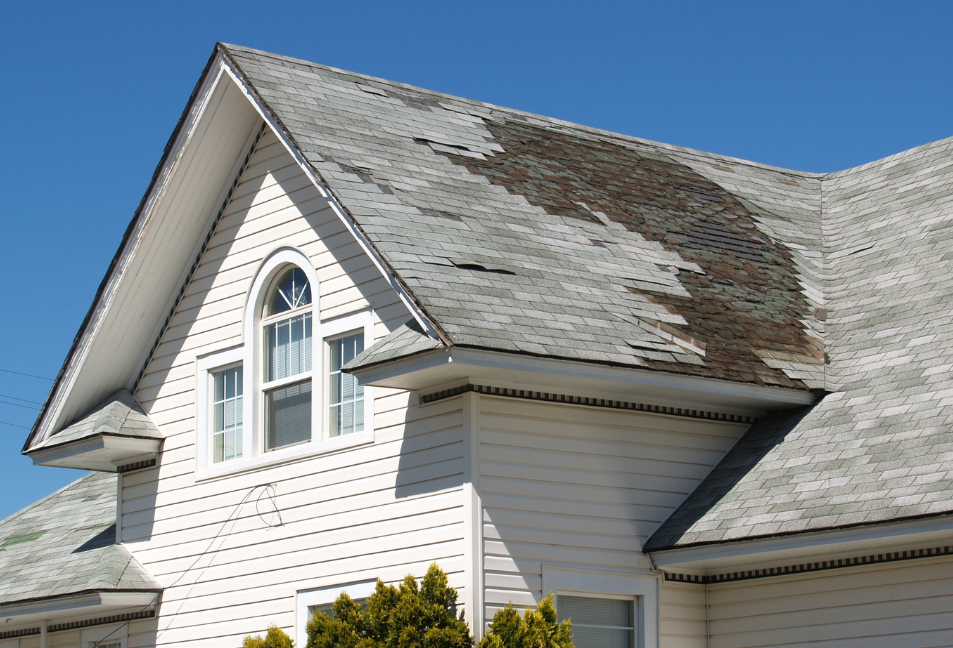

Hurricane season doesn’t end when the wind dies down — for a lot of South Texas homeowners, the real work starts the next morning, staring at a claim form and wondering where to even begin. Last week we walked through the five signs your composition roof might not make it through the rest of the season. This week’s about what happens after the storm actually finds one of those signs first.
Here’s the part nobody explains well: filing a roof claim isn’t just paperwork. It’s a process with a right order of operations, and getting it wrong can mean a lower payout — or a denied claim altogether.
Step one: document before you touch anything
The instinct after a storm is to get up there and tarp it, patch it, clean it up. Don’t — not until it’s documented. Photos and video of the damage, from the ground and, if it’s safe, from the roof, dated and timestamped, are the foundation of every successful claim. This is where we usually get called first: a free inspection gives you professional photo documentation and a written assessment before you’ve said a word to your insurance company.
Step two: know what your policy actually covers
Composition (architectural asphalt shingle) roofs have specific wind and hail ratings, and your policy language around “actual cash value” versus “replacement cost” makes a real difference in what you’re owed. We can’t read your policy for you, but we can tell you, in plain language, whether what we’re seeing on your roof lines up with what a wind or hail claim typically covers — so you’re walking into that call with your insurer already informed.
Step three: the adjuster meeting
This is the step where a lot of homeowners get shortchanged, because insurance adjusters are moving fast through a lot of houses after a regional storm. We meet the adjuster on-site whenever we can, point out damage that’s easy to miss from the ground — bruised shingle mat, granule loss, lifted tabs — and make sure the scope of work in the adjuster’s report actually matches the scope of damage on your roof.
Step four: the repair or replacement itself
Once the claim’s approved, we handle the actual work — matching shingle grade and color to what’s already on your home when it’s a repair, or walking you through composition shingle options (grades, impact ratings, energy-reflective choices) when it’s a full replacement. Everything’s backed by our 100% satisfaction guarantee, and everything stays within the composition shingle systems we specialize in — built for Texas heat, wind, and rain.
We’ve coordinated hundreds of these claims across Corpus Christi and the Austin/San Antonio metro, and the honest truth is the homeowners who come out ahead are the ones who call before they touch the roof, not after. It costs nothing to have us look first, and it can be the difference between a claim that covers the full scope of the damage and one that gets quietly underpaid because nobody caught what the adjuster missed.
Have you been through a storm claim before? We’d genuinely like to hear what surprised you about the process — drop it in the comments.
Subscribe
Not sure if your roof has storm damage worth claiming? A free inspection settles it — schedule yours today. And subscribe below to get storm-season alerts and maintenance reminders sent straight to your inbox, so the next system that rolls through doesn’t catch you off guard.





Leave a Reply